Python Django: Build a Subscription Platform – 2024

  • Thread starter Sauron
  • Start date
  • Tagged users None
Sauron

Sauron

Hero Member
Infinity Member

Joined
November 19, 2023
Messages
2,710
Reaction score
50,847
Points
113
1) Create a custom user model: Tailor a specialized user model to meet the unique requirements of the subscription platform.
2) User creation and authentication: Implement secure user registration and authentication processes using Django.
3) User logout and account view protection: Enhance account security with logout functionalities and controlled account views.
4) Interface base navigation and layout: Design an intuitive interface using Django templates, emphasizing user-friendly navigation.
5) CRUD management for articles: Master Django’s capabilities for Create, Read, Update, and Delete operations in article management.
6) Account management: Develop tools for users to efficiently manage their accounts within the Django framework.
7) Subscription setup – Phase I and II: Establish subscription functionalities in two comprehensive phases for enhanced user engagement.
8) PayPal – Initial Setup: Integrate PayPal for seamless online payment processing, with a focus on initial setup within the Django environment.
9) Create a Subscription with PayPal’s API: Implement subscription creation using PayPal’s API, ensuring a smooth user experience.
10) Delete a Subscription with PayPal’s API: Develop functionality enabling users to cancel subscriptions seamlessly through PayPal’s API.
11) Update a Subscription with PayPal’s API – [Optional]: Explore additional content on updating subscriptions using PayPal’s API within the Django framework. Guidance will be given on to explore and do external research on implementing an update solution (upgrade/downgrade subscriptions).
12) Client – Subscription workflow optimisation: Optimize the subscription workflow for improved client-side performance and a streamlined user experience.
13) PayPal – Production Mode: Transition the PayPal integration to production mode, ensuring readiness for real-world usage.
14) Password management: Implement Django’s secure password management practices for enhanced user account security.
15) User Interface / Experience – Design: Focus on designing an engaging and responsive user interface and experience using Django templates.
16) Email verification: Strengthen account security through Django-based email verification processes.
17) Cloud storage with Amazon S3: Integrate Amazon S3 for efficient and scalable cloud storage solutions within the Python Django framework.
18) Create a PostgreSQL database with Render: Set up a PostgreSQL database using Render to efficiently manage data in conjunction with Django.
19) Deployment to Render: Learn the process of deploying the complete Python Django-based subscription platform to the Render platform for public access.

To see this hidden content, you need to Upgrade Your Membership OR reply and react with one of the following reactions: Like Like
 
  • Like
Reactions: taha2samy, burdon, DarkStory and 3 others
X

XIT07

New Member
Joined
March 27, 2024
Messages
2
Reaction score
0
Points
1
X

XIT07

New Member
Joined
March 27, 2024
Messages
2
Reaction score
0
Points
1
1) Create a custom user model: Tailor a specialized user model to meet the unique requirements of the subscription platform.
2) User creation and authentication: Implement secure user registration and authentication processes using Django.
3) User logout and account view protection: Enhance account security with logout functionalities and controlled account views.
4) Interface base navigation and layout: Design an intuitive interface using Django templates, emphasizing user-friendly navigation.
5) CRUD management for articles: Master Django’s capabilities for Create, Read, Update, and Delete operations in article management.
6) Account management: Develop tools for users to efficiently manage their accounts within the Django framework.
7) Subscription setup – Phase I and II: Establish subscription functionalities in two comprehensive phases for enhanced user engagement.
8) PayPal – Initial Setup: Integrate PayPal for seamless online payment processing, with a focus on initial setup within the Django environment.
9) Create a Subscription with PayPal’s API: Implement subscription creation using PayPal’s API, ensuring a smooth user experience.
10) Delete a Subscription with PayPal’s API: Develop functionality enabling users to cancel subscriptions seamlessly through PayPal’s API.
11) Update a Subscription with PayPal’s API – [Optional]: Explore additional content on updating subscriptions using PayPal’s API within the Django framework. Guidance will be given on to explore and do external research on implementing an update solution (upgrade/downgrade subscriptions).
12) Client – Subscription workflow optimisation: Optimize the subscription workflow for improved client-side performance and a streamlined user experience.
13) PayPal – Production Mode: Transition the PayPal integration to production mode, ensuring readiness for real-world usage.
14) Password management: Implement Django’s secure password management practices for enhanced user account security.
15) User Interface / Experience – Design: Focus on designing an engaging and responsive user interface and experience using Django templates.
16) Email verification: Strengthen account security through Django-based email verification processes.
17) Cloud storage with Amazon S3: Integrate Amazon S3 for efficient and scalable cloud storage solutions within the Python Django framework.
18) Create a PostgreSQL database with Render: Set up a PostgreSQL database using Render to efficiently manage data in conjunction with Django.
19) Deployment to Render: Learn the process of deploying the complete Python Django-based subscription platform to the Render platform for public access.

[Hidden content]
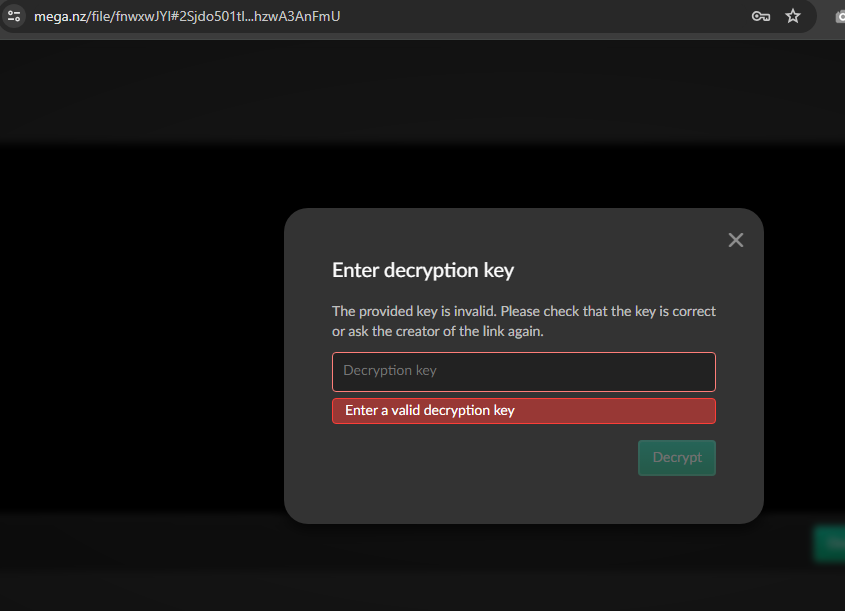
Bro, can you fix this link, it doesn't work

TsYa1AunReSSOTIldKfh2A.png
 
C

cleanerfast

Member
Joined
January 19, 2024
Messages
45
Reaction score
1
Points
8
hi
1) Create a custom user model: Tailor a specialized user model to meet the unique requirements of the subscription platform.
2) User creation and authentication: Implement secure user registration and authentication processes using Django.
3) User logout and account view protection: Enhance account security with logout functionalities and controlled account views.
4) Interface base navigation and layout: Design an intuitive interface using Django templates, emphasizing user-friendly navigation.
5) CRUD management for articles: Master Django’s capabilities for Create, Read, Update, and Delete operations in article management.
6) Account management: Develop tools for users to efficiently manage their accounts within the Django framework.
7) Subscription setup – Phase I and II: Establish subscription functionalities in two comprehensive phases for enhanced user engagement.
8) PayPal – Initial Setup: Integrate PayPal for seamless online payment processing, with a focus on initial setup within the Django environment.
9) Create a Subscription with PayPal’s API: Implement subscription creation using PayPal’s API, ensuring a smooth user experience.
10) Delete a Subscription with PayPal’s API: Develop functionality enabling users to cancel subscriptions seamlessly through PayPal’s API.
11) Update a Subscription with PayPal’s API – [Optional]: Explore additional content on updating subscriptions using PayPal’s API within the Django framework. Guidance will be given on to explore and do external research on implementing an update solution (upgrade/downgrade subscriptions).
12) Client – Subscription workflow optimisation: Optimize the subscription workflow for improved client-side performance and a streamlined user experience.
13) PayPal – Production Mode: Transition the PayPal integration to production mode, ensuring readiness for real-world usage.
14) Password management: Implement Django’s secure password management practices for enhanced user account security.
15) User Interface / Experience – Design: Focus on designing an engaging and responsive user interface and experience using Django templates.
16) Email verification: Strengthen account security through Django-based email verification processes.
17) Cloud storage with Amazon S3: Integrate Amazon S3 for efficient and scalable cloud storage solutions within the Python Django framework.
18) Create a PostgreSQL database with Render: Set up a PostgreSQL database using Render to efficiently manage data in conjunction with Django.
19) Deployment to Render: Learn the process of deploying the complete Python Django-based subscription platform to the Render platform for public access.

[Hidden content]
 
T

taha2samy

Member
Joined
February 19, 2024
Messages
23
Reaction score
1
Points
1
T

taha2samy

Member
Joined
February 19, 2024
Messages
23
Reaction score
1
Points
1
hi
1) Create a custom user model: Tailor a specialized user model to meet the unique requirements of the subscription platform.
2) User creation and authentication: Implement secure user registration and authentication processes using Django.
3) User logout and account view protection: Enhance account security with logout functionalities and controlled account views.
4) Interface base navigation and layout: Design an intuitive interface using Django templates, emphasizing user-friendly navigation.
5) CRUD management for articles: Master Django’s capabilities for Create, Read, Update, and Delete operations in article management.
6) Account management: Develop tools for users to efficiently manage their accounts within the Django framework.
7) Subscription setup – Phase I and II: Establish subscription functionalities in two comprehensive phases for enhanced user engagement.
8) PayPal – Initial Setup: Integrate PayPal for seamless online payment processing, with a focus on initial setup within the Django environment.
9) Create a Subscription with PayPal’s API: Implement subscription creation using PayPal’s API, ensuring a smooth user experience.
10) Delete a Subscription with PayPal’s API: Develop functionality enabling users to cancel subscriptions seamlessly through PayPal’s API.
11) Update a Subscription with PayPal’s API – [Optional]: Explore additional content on updating subscriptions using PayPal’s API within the Django framework. Guidance will be given on to explore and do external research on implementing an update solution (upgrade/downgrade subscriptions).
12) Client – Subscription workflow optimisation: Optimize the subscription workflow for improved client-side performance and a streamlined user experience.
13) PayPal – Production Mode: Transition the PayPal integration to production mode, ensuring readiness for real-world usage.
14) Password management: Implement Django’s secure password management practices for enhanced user account security.
15) User Interface / Experience – Design: Focus on designing an engaging and responsive user interface and experience using Django templates.
16) Email verification: Strengthen account security through Django-based email verification processes.
17) Cloud storage with Amazon S3: Integrate Amazon S3 for efficient and scalable cloud storage solutions within the Python Django framework.
18) Create a PostgreSQL database with Render: Set up a PostgreSQL database using Render to efficiently manage data in conjunction with Django.
19) Deployment to Render: Learn the process of deploying the complete Python Django-based subscription platform to the Render platform for public access.

[Hidden content]
 
  • Tags
    build platform python subscription
  • Top